
Friday, April 10, 2026
✶ Untold Chicago Stories ✶ Amazon Music
Home Blog Page 20

No Splash, No Problem: ESPN Defends Chicago Bears’ Free Agency Approach

chicago bears
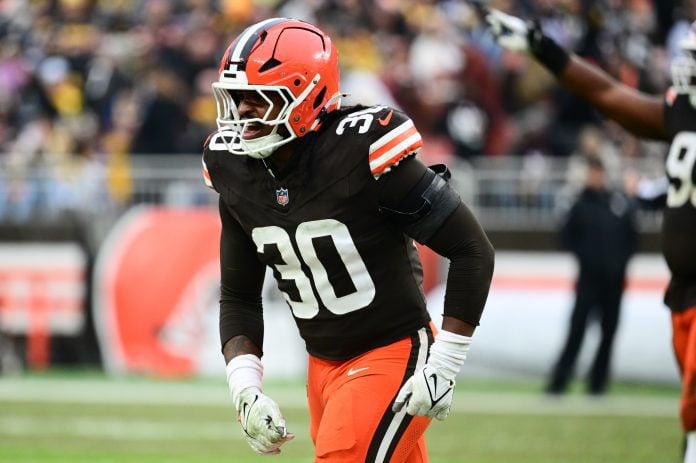
Dec 28, 2025; Cleveland, Ohio, USA; Cleveland Browns linebacker Devin Bush (30) reacts after Pittsburgh Steelers miss a field goal in the third quarter at Huntington Bank Field. Mandatory Credit: Ken Blaze-Imagn Images

It was so close. One more completion would’ve put the Chicago Bears in field goal range and probably sent them to the NFC Championship. Despite the disappointing finish to that divisional game against the Rams, many felt it was the opening of an opportunity for the organization. They finally have a quarterback and head coach combination that feels legitimate. Caleb Williams and Ben Johnson worked magic together. The next obvious step is fortifying the roster around them and going for it all in 2026.

Right?

You wouldn’t have guessed from how they approached the start of the offseason. D.J. Moore was traded. Tremaine Edmunds was cut. Kevin Byard, Jaquan Brisker, Nahshon Wright, and C.J. Gardner-Johnson were all allowed to leave in free agency. A huge swath of the roster that had led them to the playoffs was gone. Though the Bears did add safety Coby Bryant and linebacker Devin Bush in free agency, the feeling is the team didn’t take advantage of an opportunity to be more aggressive. Did they screw up?

Not according to Bill Barnwell of ESPN. In surveying 500 free agents between 2013 and 2022, he reached a stunning conclusion about free agency in general.

How often do top free agents actually pan out? Not as often as teams would like. The average grade for these 500 free agents landed at 2.26 — closer to disappointing than average. Most players were either below average or lived up to expectations, but there were far more utter disasters than stunning breakouts, which makes sense; if a player’s already being paid market value or better to start, it’s going to be easier for them to come up short via injury or inconsistency than exceed expectations to play at a Pro Bowl-or-better level.

The Chicago Bears have finally learned a vital lesson.

Free agency is a scam. Yes, there are instances when signings exceed expectations, but it’s like hitting the jackpot on a slot machine. It doesn’t happen often enough to justify constantly throwing coins into it. Yet that is what the Bears have done for the past couple of decades. Their history is littered with some ugly contracts they handed out to players who, in hindsight, had no business receiving them.

PlayerPos.YearContract DetailsWhy it Failed
Thomas SmithCB20005 years, $22.5MRecorded zero interceptions; released after only 16 games.
Kordell StewartQB20032 years, $5MFinished with a 2-5 record and more interceptions (12) than TDs (7).
Orlando PaceOT20093 years, $15MHall of Famer was past his prime; benched after 11 games due to performance and injury.
Frank OmiyaleOT20094 years, $14MNotorious for poor pass protection and penalties; released in 2011.
Mike GlennonQB20173 years, $45MStarted only 4 games with 8 turnovers before being replaced by a rookie.
Cody ParkeyK20184 years, $15MMissed 10 total kicks in one season, including the infamous “Double Doink.”
Trey BurtonTE20184 years, $32MProduction plummeted after 2018; struggled with injuries and availability.
Nate DavisG20233 years, $30MFaced criticism for a lack of practice and performance; released mid-season in 2024.

This is why teams that spend regularly in free agency often don’t experience sustained success. It is because the money they’re paying these players is almost always too much to justify the return they get. Smart teams only spend occasionally and focus more on drafting and developing their talent. The Chicago Bears used to be good at this approach, but seemed to lose their way at some point. To his credit, general manager Ryan Poles has worked hard to avoid big spending. This year just felt like the most blatant attempt yet.

The Bears are betting on themselves.

That is to say, they’re putting the responsibility on the scouting department to evaluate good draft prospects and then betting on the coaching staff to develop them properly. The last time it felt like things were aligned on this was probably the mid-2000s, with Lovie Smith and Jerry Angelo. Yet even they eventually bowed to the free agency monster. Poles and Johnson seem to share the same philosophy. They’re not interested in a quick burst of success. They want to win consistently.

History says that is only possible by constantly feeding your roster with a steady stream of young talent. The Chicago Bears have finally been doing that for the past few years. There was a period between 2019 and 2022 when they used only one 1st-round pick due to the Khalil Mack and Justin Fields trades. Now they have Darnell Wright, Caleb Williams, Rome Odunze, and Colston Loveland forming a promising foundation for this team. The next step will arrive on April 23rd.
Injuries Could Lead to Surprising Move by Chicago Cubs

If you take a quick step back, then you’ll realize that a couple of injuries could potentially lead to a last-minute move by the Chicago Cubs a few days before Opening Day. Seiya Suzuki will begin the regular season on the injured list, which confirms Michael Conforto’s place on the roster. Looking back to the start of spring training, Tyler Austin’s knee surgery also created competition in camp for an additional bench opening, and now it seems like the Cubs are still searching for help in that department.

According to The Athletic’s Patrick Mooney, the Cubs are considering bringing in an extra infielder to add to the Opening Day roster. Right now, Matt Shaw is the lone backup option for Craig Counsell in the infield, but given Suzuki’s absence, Shaw may be required to fill in more often early in the season out in right field. In that instance, the Cubs are suddenly left without a backup infielder on the active roster,

Heading into spring training, the Cubs signed Scott Kingery and Owen Miller to come in and compete for a spot on the team. The two journeymen haven’t exactly lit the world on fire as Kingery has posted a .685 OPS in 56 plate appearances, while Miller’s 37-plate-appearance sample size has resulted in a .718 OPS in spring training. If either player does get selected to the team, then the Cubs would have to make room on the 40-man roster.

Other internal options for the infield include Ben Cowles, who returned to the organization this offseason after he was claimed off waivers, and former top-100 prospect James Triantos.

As things currently stand, the Cubs may be deciding between Dylan Carlson and Kevin Alcantara, which could potentially move Shaw back to a primary infield role off the bench until Suzuki is back from the injured list. If Alcantara makes the team, then that’s an easy roster move to make in April, optioning the outfield prospect when Suzuki is ready to come back from his knee issue.

If Carlson makes the team, then it gets a little more complicated because he’s out of minor league options and would be guaranteed $2 million by making the Opening Day Roster.

Teams are always trying to improve on the margins, and this is no different. Additional depth on the infield may not seem like a big deal now, but we’ve seen in recent years that injuries can pop up out of nowhere, and you’d rather have a guy already in your organization than having to scramble at the last second.

Also, the Cubs have their eyes on pitching as well.

Via the Chicago Tribune.

“We still have some balls in the air with the bullpen and then the bench, and it does affect it, which guys are waivers, which guys have out clauses, things like that,” Cubs President Jed Hoyer said, per the Tribune. “The timing is hard because it’s happening sort of as teams are leaving, but you never want the inconvenience of that to hurt making the right decision.”

The front office was active in the offseason, filling out a depleted bullpen with free agents following the 2025 season. It turned out to be extremely important because none of the team’s under-the-radar pitching signings stood out in spring training. Ultimately, Ben Brown earned the final bullpen spot after his strong performance in Arizona. Yet, if there are any intriguing arms let go around the league, you know the Cubs will be actively roaming the waiver wire, hoping to find another hidden gem.

Jeff Blashill Hints At His Baffling Plan With Connor Bedard/Anton Frondell Line

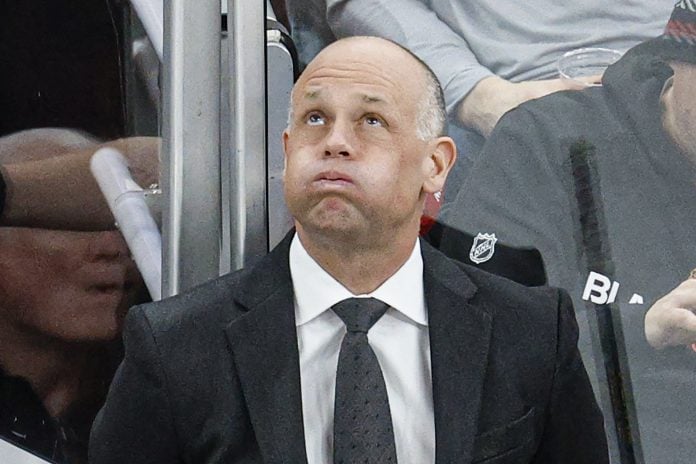
Jan 9, 2026; Chicago, Illinois, USA; Chicago Blackhawks head coach Jeff Blashill reacts during the third period at United Center. Mandatory Credit: Kamil Krzaczynski-Imagn Images

On Saturday, I wrote that the Chicago Blackhawks had finally acquired Connor Bedard’s long-term linemate because third overall pick Anton Frondell was coming over from Sweden to join the team after his season wrapped up. The lethal 18-year-old should be able to make an impact right away before the end of this season, so it’s pretty exciting to have him in the lineup.

But head coach Jeff Blashill might be putting a damper on that excitement this week. On Sunday evening, he said Ryan Greene might get some time at center to close out the season. That would mean Frondell would take Greene’s spot next to Bedard, with Andre Burakovsky on the other wing.

Burakovsky, 31, has built a career out of offensive production. This year hasn’t followed that trend. He’s spent almost the entire year on Bedard’s wing—a highly coveted spot—and hasn’t done much with the opportunity. He’s scored one goal since Jan. 7 and has drawn the ire of Chicago’s fan base, which makes sense considering that the Blackhawks could put other young players in that spot, like Nick Lardis (who hasn’t been great so far, but then again, neither has Burakovsky).

I understand wanting to give Greene some run at center while the games don’t really count, but do the Blackhawks really need another center? They’ve had a logjam down the middle for much of the season—behind Bedard and Nazar, Oliver Moore and Sacha Boisvert can hold it down and there are plenty more skaters coming down the pipeline. Plus, Greene has been great where he’s at. He’s a good facilitator who plays a responsible game, which is what a line featuring Bedard and Frondell needs.

It’ll be interesting to see whether the Frondell—Bedard—Burakovsky top line sticks through the end of the season, or if Blashill uses these games to see what he’s got for the future. Unless the Blackhawks are going to grab a big-name free-agent winger this summer, someone will have to fill Burakovsky’s spot, assuming he’s bought out in the offseason. Why not start now?

The Chicago Cubs Actually Made A Smart Decision

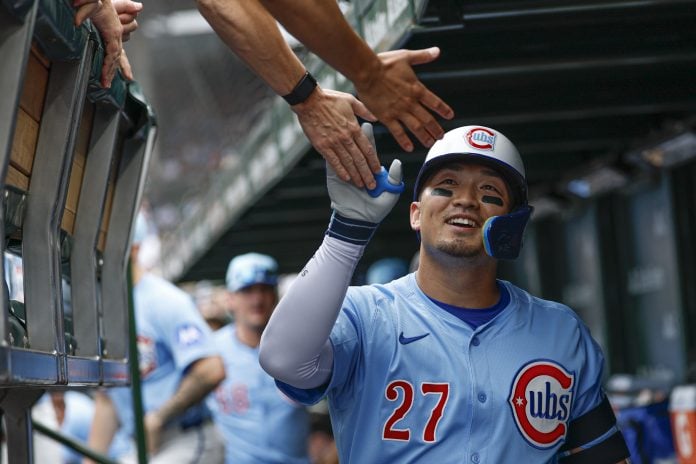
Jul 4, 2025; Chicago, Illinois, USA; Chicago Cubs designated hitter Seiya Suzuki (27) celebrates in the dugout after hitting a solo home run against the St. Louis Cardinals during the first inning at Wrigley Field. Mandatory Credit: Kamil Krzaczynski-Imagn Images

I’m sure most, if not all, 30 MLB fan bases feel like their respective team handles injuries poorly, and that is certainly the case for the Chicago Cubs. So, without a doubt, fans started to roll their eyes this past weekend when the team revealed that Seiya Suzuki would not be available for Opening Day this Thursday against the Washington Nationals.

Suzuki, who hit 32 home runs and drove in 103 runs in 2025, injured his right PCL playing for Japan in the World Baseball Classic. The Cubs were hopeful that he would recover in time for Opening Day, but as soon as the team announced he wouldn’t, fans began to wonder if they would have to sit through the tiresome waiting game the Cubs seem to love to play with injuries.

Again, this happens throughout the league, but it’s no less annoying. A player gets injured, and instead of placing them on the injured list immediately, they want to wait it out to see if they can recover within the 10-day period. Then, that player isn’t recovering as the team hoped for, and they end up going on the injured list anyway, all the while the team is playing a man down for a week or so.

Well, this time around, the Cubs actually made the smart decision with Suzuki. Instead of trying to thread the needle and limit the amount of games missed, the team has decided to place Suzuki on the 10-day injured list heading into Opening Day.

Cubs Outlook in Right Field

All right, now that we know for sure that Suzuki will be on the injured list to begin the regular season, we can look into the team’s plan to replace him in right field. Hopefully, this will only be a short-term issue with Suzuki missing the minimum amount of time recovering from the knee injury.

Veteran outfielder Michael Conforto locked up a spot on the Opening Day roster thanks to Suzuki’s absence. Conforto, 33, signed a minor league deal with the Cubs at the beginning of spring training action, and while it appeared as though he was trending toward an Opening Day spot, the injury to Suzuki confirmed his addition to the bench mix.

With Ian Happ in left field, Pete Crow-Armstrong in center field, Conforto is currently the most experienced player in the outfield who is competing for playing time with Suzuki out for the first chunk of games. Second-year player Matt Shaw has looked a bit shaky in his audition in the outfield during spring training, but it does appear as though the Cubs do want to use him in right field on occasion this season.

If the team is concerned about Shaw’s defense in right, then outfield prospect Kevin Alcantara could end up making the team out of spring training. Meanwhile, Dylan Carlson remains in the mix to secure one of the final bench spots on the Opening Day roster. Carlson could be the backup center fielder to begin the regular season.

Unexpected Veteran Makes Chicago Cubs Opening Day Roster

Mar 17, 2026; Mesa, Arizona, USA; Chicago Cubs outfielder Michael Conforto against the Los Angeles Angels during a spring training game at Sloan Park. Mandatory Credit: Mark J. Rebilas-Imagn Images

The Chicago Cubs are close to finalizing their Opening Day roster and an unexpected veteran has now earned a spot among the 26 players who will make the trip to Wrigley Field out of camp.

Left-handed hitting outfielder Michael Conforto agreed to a minor league deal with the Cubs back in February, and at the time, there was a little wiggle room in terms of his chances of making the team out of spring training. Fans later learned that Tyler Austin needed knee surgery, knocking him out of the bench mix heading into the 2026 season.

Now, right fielder Seiya Suzuki is headed to the injured list, clearing the way for Conforto to not only make the Opening Day roster, but he may now be the potential starting right fielder against the Washington Nationals on Thursday.

So far in spring training, Conforto is 9-for-33, with four doubles. The 33-year-old is coming off a rough season with the Los Angeles Dodgers, but Conforto isn’t all that removed from a decent 2024 campaign with the San Francisco Giants.

We’ll see later this week how Cubs manager Craig Counsell decides to handle right field with Suzuki out. Matt Shaw has also been getting more reps in the outfield during spring training, so he could be splitting time or potentially get the majority of the starts, filling in for Suzuki.

Michael Conforto’s Career Overview

Conforto played with the Los Angeles Dodgers in 2025, after he signed a one-year, $17 million to become their starting left fielder. However, the left-handed batter struggled immensely and was ultimately kept off the Dodgers’ postseason roster after Conforto put up a career worst slash line of .199/.305/.333. His 83 wRC+ ranked 15th lowest among 177 players with at least 450 plate appearances in the 2025 season.

Flat out bad. Conforto began the regular season on fire, going 8-for-26, with a pair of home runs and four doubles in his first eight games, but then batted .191 with a .605 OPS and 75 wRC+ in the final 455 plate appearances of 2025. The only positive aspect at the plate for Conforto was his plate discipline as the left-handed batter posted an 11.5 BB%, in line with his career numbers.

Like any contending team, the Cubs are trying to win at the margins and that means bringing in guys who do have the ability to contribute in the majors. Although Conforto had brutal numbers with the Dodgers in 2025, he had a solid 2024 campaign with the San Francisco Giants. During the 2024 season Conforto recorded a 112 wRC+ and hit 20 home runs in 130 games.

The outfielder hasn’t been the same slugger on offense since his 2022 left shoulder surgery, but the Cubs don’t need Conforto to be an All-Star hitter like he was during his early run with the New York Mets. Any good team will bring in veterans that have good track records and roll the dice during spring training, looking if there’s still something there.

He’s a known name with a better past than other guys who have been signed this offseason to compete for a bench spot, so Conforto will draw more attention. The Cubs have brought in Chas McCormick and Dylan Carlson to compete for a fourth outfielder job, while Justin Dean was also added to the 40-man roster as depth in Triple-A. Conforto could find a way on the roster as a left-handed bat off the bench or make the team if there’s an injury.

Odd Man Out: White Sox Ditch Korey Lee For Reese McGuire

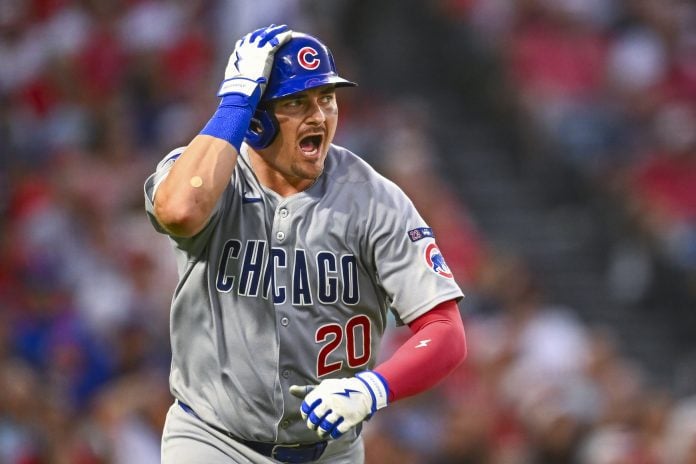
Aug 23, 2025; Anaheim, California, USA; Chicago Cubs catcher Reese McGuire (20) hits a grand slam against the Los Angeles Angels during the fourth inning at Angel Stadium. Mandatory Credit: Jonathan Hui-Imagn Images

The Chicago White Sox made a surprising late roster move over the weekend, ditching Korey Lee in favor of Reese McGuire just days before Opening Day.

McGuire agreed to a $1.2 million deal with the White Sox after opting out of his minor league contract with the Milwaukee Brewers on Saturday, triggering a 72-hour window to sign elsewhere. He didn’t have to wait long. By Sunday night, he was already suiting up for the White Sox in a Cactus League game against the Seattle Mariners. 

As a result, Lee was informed that he would not be making the Opening Day roster. Adding insult to injury, McGuire delivered a two-run homer and a double off the bench in Chicago’s 4-2 loss to Seattle.

It’s a tough break for Lee, who fell victim to a calculated roster move. While McGuire isn’t a huge upgrade, he offers a left-handed bat, a slightly stronger offensive track record, and greater trade flexibility.

Catching depth was considered a strength for the White Sox entering the season, with Kyle Teel and Edgar Quero expected to split time behind the plate. But when Teel suffered a hamstring injury during the World Baseball Classic, it created an opening for Lee, who has shown he’s more than a capable backstop.

Lee has appeared in 186 games for the White Sox over the past four seasons but has struggled to secure consistent playing time. After a career-high 125 games in 2024, a season in which he was praised for being a strong clubhouse presence during a difficult 121-loss campaign, the White Sox added Matt Thaiss, further crowding the depth chart.

Even after Thaiss was traded, Lee found himself blocked again following the call-ups of Quero and Teel.

Lee boasts one of the best pop times in baseball and hit a career-high 12 home runs in 2024. This spring, he also flashed some sneaky athleticism, swiping four bases during Cactus League play. Beyond the numbers, he’s earned praise from coaches for his clubhouse leadership and his work with both Teel and Quero.

But Lee is out of minor league options, and the White Sox were unlikely to carry three catchers, leaving him on borrowed time until Teel returned. Because of that, the club believes bringing Reese McGuire back into the fold is the better short-term fit.

Manager Will Venable told MLB.com that with Quero stepping into the primary catching role to open the season, McGuire offers a more natural complement. Teel does most of his damage from the right side, while McGuire provides a left-handed bat—something Lee, also a right-handed hitter, does not.

McGuire also offers a slightly higher offensive floor, even if the overall numbers don’t jump off the page. In 45 games with the Cubs last season, he slashed .260/.245/.444, showing some pop with nine home runs and 24 RBIs, compared to Lee, who owns a career .193/.234/.321 slash line with 14 homers, 47 RBIs 

McGuire is no stranger to the South Side, either, hitting .225/.261/.285 with nine doubles and 10 RBIs with the White Sox in 2022.  While much of the roster has turned over since then, that prior experience still provides some added comfort and familiarity. 

The 31-year-old catcher knows how to handle a pitching staff and is also a steady glove behind the plate. Last season, McGuire was one of the best pitch framers in baseball and ranked in the top half of the MLB with a 1.93-second pop time. 

Once Teel returns healthy, the White Sox likely view McGuire as the more movable piece. With many teams lacking catching depth, Chicago could potentially get a return for Lee before designating him for assignment, and eventually for McGuire as well. Since Lee wasn’t expected to be part of the team’s long-term plans, bringing McGuire back signals the White Sox are looking to gain an edge wherever they can.

Chicago Bears 2026 Mock Draft: Trading Out Of The 1st Round

chicago bears
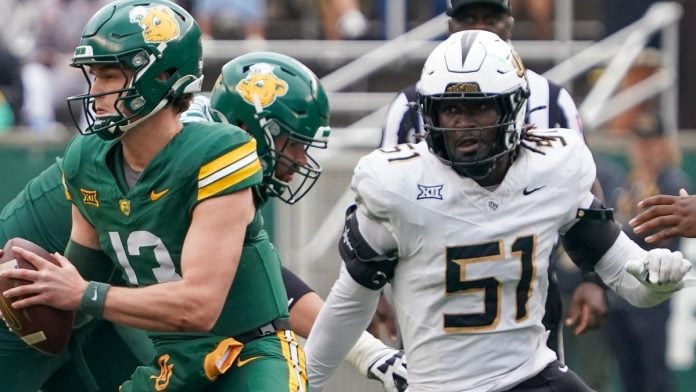
Nov 1, 2025; Waco, Texas, USA; Baylor Bears quarterback Sawyer Robertson (13) is pressured by UCF Knights defensive end Malachi Lawrence (51) during the second half at McLane Stadium. Mandatory Credit: Raymond Carlin III-Imagn Images

Each Chicago Bears 2026 mock draft should be about exploring different scenarios that could unfold next month. One that is being discussed quite a bit lately is the idea that Bears general manager Ryan Poles may move down from the 25th overall pick. Chicago only has seven picks and still has lots of roster holes to fill. They may wish to secure extra capital, taking advantage of a deep class at several positions. The question is how far they’re willing to move down. For the sake of intrigue, let’s say they decide to drop out of the 1st round entirely.

The Bears have traded down in the 1st round five times in the Super Bowl era. However, there is only one instance where they moved out of it entirely. That came in 2006 when they flipped the 26th overall pick to the Buffalo Bills for the 42nd pick and a 3rd round pick. They would be used on safety Danieal Manning and defensive tackle Dusty Dvoracek. While not bad, the obvious hope would be that Poles and head coach Ben Johnson can do better this time around. Here is one possible projection.

Quantity over quality is the goal of this Chicago Bears 2026 mock draft

Trade: #25 pick and #129 pick to Tennessee for #35 pick, #66 pick and #101 pick

Trade: #35 pick and #239 pick to Houston for #38 pick and #106 pick

2nd Round (via HOU) – Malachi Lawrence, EDGE, UCF

From a strictly pass rush perspective, Lawrence has everything you could like. He’s long, athletic, and has that critical explosive first step to give him an edge on tackles. Yet what stands out is his deep toolbox of moves, finding different ways to attack protections and reach the quarterback. The Bears badly need somebody with his particular skills. The key for Dennis Allen will be whether he can live with Lawrence being an average run defender. It’s never been his strength and may not improve much in the pros.

RankPlayerSchool2025 Sacks
1David BaileyTexas Tech14.5
2Akheem MesidorMiami (FL)12.5
3Colin SimmonsTexas12.0
4Rueben Bain Jr.Miami (FL)9.5
5R Mason ThomasOklahoma8.5
6Malachi LawrenceUCF8.0
7Gabe JacasIllinois7.5
8Keldric FaulkAuburn7.0
9Arvell ReeseOhio State6.5
10T.J. ParkerClemson6.0

2nd Round – Gracen Halton, DT, Oklahoma

Chicago struck gold with an Oklahoma defensive tackle once upon a time when they took Tommie Harris in 2004. Halton is built much the same way. While undersized for a normal defensive tackle, he has a style that fits what Allen wants at that position. He combines a fast get-off and quickness to shoot gaps, creating havoc in the backfield. He wasn’t always used to the fullest of that ability with the Sooners, but the Bears would immediately know how to maximize it. Allen has plenty of experience with guys like Sheldon Rankins.

2nd Round (via BUF) – Sam Hecht, C, Kansas State

Losing Drew Dalman was a tough blow for the offensive line. Poles managed to swing a trade for veteran Garrett Bradbury to stop the bleeding, but that is a temporary fix. It only makes sense that this Bears 2026 mock draft has them draft a center of the future. Hecht presents a skill set that is, in many ways, similar to Dalman’s. He’s not overly big, but he’s a great athlete, intelligent, and probably the most polished technician in the class. There is no question that he can fill the void the former Pro Bowler left behind.

3rd Round (via TEN) – Elijah Sarratt, WR, Indiana

One of the biggest problems with the Bears’ wide receivers last year was their inability to consistently make catches in tight coverage. It led to drives stalling with frustrating frequency. Sarratt is built to solve that problem. While not fast by any means, he is a disciplined route runner who thrives at boxing out defensive backs to make tough catches. He is the guy quarterbacks always look for on 3rd down when you need a play.

3rd Round – Bud Clark, S, TCU

Due to being an older prospect, Clark falls further than he probably should, considering he’s one of the best true ballhawking safeties in the class. Chicago just lost Kevin Byard to free agency. They need to bring somebody in who can patrol the back end of the defense. Clark is excellent at that due to his range and instincts. Better still, he has the toughness to play the run as well.

4th Round (via TEN) – Malik Muhammad, CB, Texas

Having a slender 188-lb frame makes Muhammad a concern for some teams because they aren’t sure if he can handle the physicality of the NFL. We’ve seen the Bears and Al Harris don’t mind that provided they are great athletes with clear cover talent. Muhammad is great at recognizing routes and has the smooth fluidity and speed to hang with receivers down the field.

Trade: #106 pick to Baltimore for #115 pick and #173 pick

4th Round (via BAL) – Darrell Jackson Jr., DT, Florida State

At some point, you just have to take the best player available. Run defense was a big problem for the Bears last year, and it showed up a lot through the interior of the defensive line. They badly need a nose tackle who can clog rushing lanes and force offenses outside. Jackson Jr. has the size, power, and length to demand double teams in the middle, provided he can get some of his technical issues cleaned up.

5th Round (via BAL) – Nicholas Singleton, RB, Penn State

Adding more speed is a theme for the Bears, and that includes the running back position. Singleton drops down the board due to inconsistent vision and agility, but he is blazing fast and an excellent pass catcher. He also doesn’t shirk his responsibilities in pass protection. That should be plenty for Johnson and new running backs coach Eric Studdesville to work with.

7th Round – Jaren Kanak, TE, Oklahoma

Kanak is a complete mystery. He arrived in college as a quarterback, switched to linebacker, and then switched again to tight end for his final season. Despite that, he still had 533 yards, displaying good athleticism and natural pass-catching potential. He is undersized for his position, so blocking may not be a strength, but he has the type of skills that make for the perfect H-back at the next level.

If Bears Deal Pick No. 25, Watch These Teams Closely As Trade Partners

chicago bears
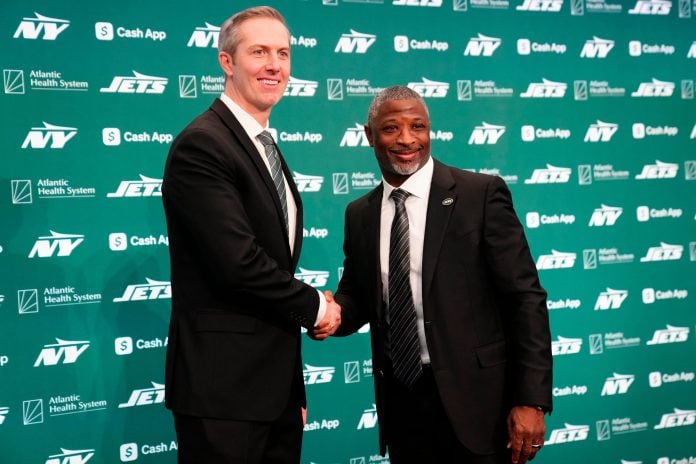
New York Jets General Manager Darren Mougey and Jets Head Coach Aaron Glenn, shake hands as they pose for the press, at the Atlantic Health Jets Training Center, Monday, January 27, 2025, in Florham Park. Mougey and Glenn were introduced to the press in their new positions for the first time.

We know the Chicago Bears hold the 25th pick in the 1st round. We also know the general manager in charge isn’t afraid to move down if he feels it’s necessary to help his roster. Ryan Poles proved that in 2023 when he bypassed a possible franchise quarterback in favor of stacking more draft capital to help their chances of finding more talent at other positions. It certainly worked out. That trade led to Caleb Williams, Darnell Wright, and several other core pieces.

Now the Bears sit at another interesting point. They’re fresh off a playoff run. Many thought they’d go all in seeking veteran pieces to make a run at a title. Instead, they’ve allowed several notable free agents to walk and left multiple positions with uncertainty. It appears they’re willing to see what happens in the draft. Yet with only seven picks, they may not be able to cover all of them. That is why the possibility of trading down feels plausible. If it were to happen, they’d need a partner, and these teams make the most sense.

These teams should be the targets for the Chicago Bears’ trade-down calls.

#33 overall – New York Jets

With Fernando Mendoza going #1 overall, the Jets are left with a choice. Either they take the next best quarterback available, or they take the best player. Almost every expert worth listening to doesn’t believe another quarterback in this class is worthy of going anywhere close to the top 10. That means the Jets will just take the best player on their board. However, it doesn’t solve the original problem. They still need a quarterback. Geno Smith is not their future. Trading back into the 1st round is their best chance to land the guy they want, and they have more than enough ammunition to get it done. It mitigates the risk of another team jumping over them at the bottom of the 1st round.

#34 overall – Arizona Cardinals

This is the same situation as New York. The Cardinals just released Kyler Murray after a seven-season run that started with so much promise but fizzled out. Now they’re stuck in limbo with Gardner Minshew and Jacoby Brissett as their top options. Two backups. They also aren’t taking a quarterback with the 3rd overall pick. Most people think they will focus on the offensive line, which was a serious liability last year. Once done, they are free to go wherever they want. Their 34th pick is a premium spot in the 2nd round. Any team moving down would likely prefer it as a landing spot. If the right quarterback is on the board, the Chicago Bears should get a call from a Phoenix area code.

#36 overall – Las Vegas Raiders

This one is a little different. Everybody knows the Raiders are taking Mendoza #1 overall. It’s been written in stone from the moment they secured that pick, and he won the national championship. The only thing left to do is turn in the card. However, the job doesn’t end there for Vegas. Their roster still needs a ton of work. That is particularly true on defense. They have no cornerstone player on that side of the ball. It shows up most of all on the defensive line. If one of the top defensive tackles or edge rushers is still on the board, and the Bears are comfortable moving down anyway, it isn’t crazy to think the Raiders might get ahead of Buffalo at #26 to secure somebody who can help get to the quarterback.

#39 overall – Cleveland Browns

This one is tricky. Cleveland won’t take a quarterback at #6 overall. The bigger question is whether they will take one at #24, one spot ahead of the Bears. If they do, that decreases the odds of them wanting to move up from #39, unless they wish to get more help for their offensive line. Remember, they lost most of their starters to free agency this offseason. They’ve been having to rebuild it on the fly. Even if they take a tackle at #6, which many expect them to do, they can and should consider doubling down by coming back up to grab help at guard. That, or they could look to get Shedeur Sanders or whoever their quarterback is, another weapon. Some good wide receivers should still be available at #25.

Leonard Floyd Return? Why Bears May Gamble On Former 1st-Round Disappointment

leonard floyd
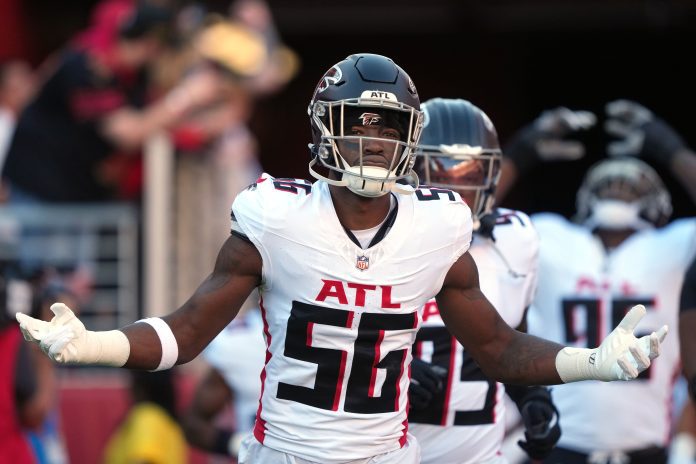
Oct 19, 2025; Santa Clara, California, USA; Atlanta Falcons defensive end Leonard Floyd (56) before the game against the San Francisco 49ers at Levi's Stadium. Mandatory Credit: Darren Yamashita-Imagn Images

The Chicago Bears traded up for Leonard Floyd in the 2016 NFL draft. Then-general manager Ryan Pace felt his mixture of size, length, and athleticism was incredibly rare for a budding pass rusher. Things started well. He collected seven sacks as a rookie that year, flashing serious potential. Then things just kind of levelled off. Floyd managed just 11.5 sacks over the next three seasons. Chicago didn’t pick up his 5th-year option and allowed him to leave in free agency in 2020.

To his credit, Floyd didn’t let that derail him. Over the next six seasons, he amassed 51.5 sacks, winning the Super Bowl with the Los Angeles Rams in 2021. After all the disappointment of his time in Chicago, he’s carved out a highly respectable career. Now he is a free agent after spending a year with the Falcons in Atlanta. Bleacher Reports seems to think a reunion with the Bears would be in the interests of both parties. Chicago needs pass rush depth. Floyd likely wishes to join a playoff contender.

Pass-rusher Leonard Floyd has entered the “veteran mercenary” stage of his career. However, the 33-year-old remains a disruptive defender who would make plenty of sense for a contender in need of edge help.

This past season, Floyd logged 19 tackles, 3.5 sacks, 19 quarterback pressures, 11 QB hits, and five tackles for loss across 15 games with the Atlanta Falcons…

…The Bears could use an edge-rushing boost, too, after only recording 35 sacks as a team in 2025. Chicago drafted Floyd ninth overall in 2016, and while he never played up to his draft status for the Bears, he’s carved out a very respectable career since.

A reunion would be sensible for the Bears and Floyd.

Best Fits: Chicago Bears, San Francisco 49ers

Leonard Floyd has little to fear about a Chicago return.

None of the people involved in drafting ten years ago are around anymore. Pace was fired in 2022. John Fox was fired in 2018. This coaching staff and front office are entirely new, with zero preconceived notions. They will see a solid veteran pass rusher who can help the defense. Nothing more. Last season was another pretty good one for Floyd. While he only had 3.5 sacks, he did have 36 pressures on 287 rushes. That was significantly fewer than the 373 he had the year before in San Francisco, when he had 10.5 sacks.

Despite his age, Floyd doesn’t seem to have lost much of the burst and quickness that made him so alluring as a 1st round pick all those years ago. The difference this time is he’s far more polished as a pass rusher, boasting a deep toolbox of moves. Would defensive coordinator Dennis Allen go for it? He usually prefers heavier players on the edge. Floyd hovers between 240 and 250 lbs. Can they trust him to set the edge against the run, or would he be purely a designated rusher?

A Floyd decision may wait until after the draft.

Given his age, there isn’t much of a rush from other teams to make a move. They know he will probably be there in May after the draft. Chicago wants to see what they can accomplish along the defensive line there. It is projected to be a strong class with several capable talents. They could solve their edge rusher problem as early as the 1st or 2nd rounds. However, as they learned at running back last year, sometimes the board doesn’t fall their way. If it happens at edge rusher in this draft, they could pivot to Leonard Floyd as a temporary solution.

The story would certainly be fun. A former 1st round pick who never found his footing with his original team gets to return and try to end things on a higher note. Imagine Floyd coming in and giving the Bears defense 7-8 sacks next season. That would be a monumental benefit, especially if Austin Booker can take the next step as well. Much depends on how the market unfolds once the draft is complete. Some prominent names are still out there, including Cameron Jordan and Jadeveon Clowney. Their destinations will determine Floyd’s fate.

Dan Roushar Confirms Shift In Bears Pre-Draft Process — Why It’s A Big Deal

dan roushar
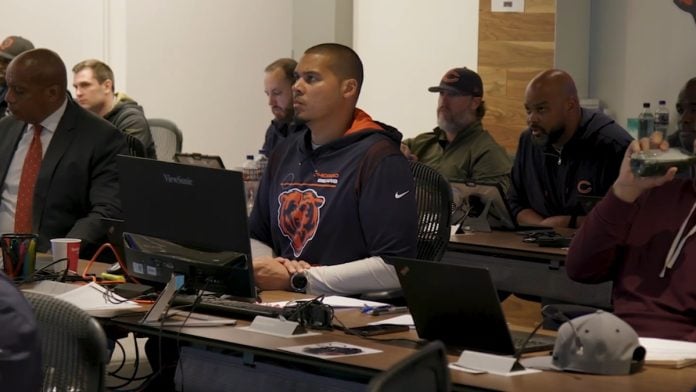
Bears general manager Ryan Poles evaluates potential 1st round picks ahead of the 2024 NFL draft.

The Chicago Bears haven’t operated like the same team they were a couple of years ago, at least not in the pre-draft process. For years, it looked like the organization set aside private meetings with prospects they had every intention of drafting, of trying to draft. Those meetings were used to cement their evaluations and ensure they didn’t miss any details. However, last year seemed to take a shift. Of the 22 names confirmed to have met with the Bears privately for a top 30 visit leading up to the draft, none of them were selected. Some were never available, but a large portion were on the board at least once. The Bears passed. This suggests the visits had undergone a shift in purpose. Bears offensive line coach Dan Roushar just confirmed it.

He explained to Foster Swift SPORTS TALK that the “30” visits were used on players the team has questions about. Maybe it’s a medical concern they want their own doctors to assess. Perhaps it’s the rumored character issues that the coaches can get a feel for by spending a day together with somebody. Then you have football IQ. Do they understand the game at a fundamental enough level to handle the large caches of information required to play in the league? The Bears use those visits to check if their information was wrong.

PositionPlayerSchoolPre-Draft Concerns & Weaknesses
RBAshton JeantyBoise StateVolume load at the college level; potential for “tread on the tire” issues.
RBOmarion HamptonNorth CarolinaLateral agility; sometimes criticized for being a “straight-line” power runner.
RBKaleb JohnsonIowaPass protection skills; needs to improve consistency in blitz pickup.
RBBrashard SmithSMUSmaller frame; questions about his ability to be a true “three-down” back.
WRIsaiah BondTexasPhysicality against press coverage; thin frame may struggle with NFL-level jams.
WRTre HarrisOle MissTop-end speed; scouts questioned if he could consistently separate at the next level.
WRKyle WilliamsWashington StRoute-running polish; relied heavily on athleticism over refined technique.
WRJaylin LaneVirginia TechSize limitations; primarily viewed as a slot-only or return specialist.
WRDontae FlemingTulaneLevel of competition and limited production compared to Power 4 peers.
WRKelly AkharaiyiMiss. StateDrops and inconsistent hands; occasionally struggled with concentration.
OTWill CampbellLSUArm length; measurements suggested a potential required move to Guard.
OTJosh Conerly Jr.OregonPlay strength; needed to add functional mass to handle NFL bull-rushers.
OTAnthony BeltonNC StateFootwork and speed out of his stance; occasionally sluggish against twitchy rushers.
OLJonah SavaiinaeaArizonaConditioning and weight management; questions about his ideal pro position.
GDylan FairchildGeorgiaLateral quickness in space; sometimes struggled when asked to pull or reach.
TEJalin ConyersTexas TechIn-line blocking; seen more as a “big receiver” than a traditional tight end.
DEShemar StewartTexas A&MProduction vs. Traits; elite physical tools but lacked high sack numbers in college.
DTOmarr Norman-LottTennesseeRun defense; undersized for an interior player, leading to anchoring issues.
LBNick MartinOklahoma StateCoverage instincts; occasionally slow to react to crossing routes in zone.
CBJahdae BarronTexasTop-end recovery speed; concerns about getting beat deep by burner WRs.
CBJordan HancockOhio StateInjury history; durability was a primary focus for teams during the visit.
SAndrew MukubaTexasTackling consistency; had a tendency to dive at ankles rather than wrap up.

Dan Roushar speaks to a strategy that good organizations use.

If you look at teams like Baltimore, Detroit, and Seattle, they don’t use top 30 visits on players they end up drafting too often. Instead, it is often their way of helping determine whether they should remove certain names from their boards entirely. For example, Baltimore had a clean shot at both Tyleik Williams and Josh Simmons in the 1st round last year. However, they’d met with both before the draft. Neither was drafted. The Ravens opted to go with Malaki Starks instead, who they did not meet with.

It’s hard to argue with the strategy. All three of those teams have proven excellent at drafting over the past several years. Since the Bears shifted to it last year, their drafting has improved considerably as well. It seems that moving the top 30 visits to a more investigative approach does a great job of clearing the debris. In other words, it trims the fat from a draft board, making it easier to hone in on players with a realistic chance of being good at the NFL level. Dan Roushar clearly believes in it.

This should change how we view the Bears’ visits.

As of writing this, four names have surfaced who have met or will meet with the team shortly. When looking deeper, each of them comes with some red flags that might warrant the Bears needing a closer look. Running back Seth McGowan spent three months in jail for larceny, which raises questions about his character. Wide receiver De’Zhaun Stribling has an undisclosed injury history going back to his time at Oklahoma State. He also hasn’t developed as fast as many thought, raising questions about his grasp of the game.

Center Jager Burton also dealt with injury problems at Kentucky and snapping issues, too. Last but not least, linebacker Jimmy Rolder played four years at Michigan but didn’t become a starter until his senior season. The Bears may wish to see where he is in his development, given so little starting experience. As the list grows over the coming weeks, we should hear more of the same. If the Bears end up drafting anybody from it, that will mean the information they gathered was as good as it gets.