Thursday, November 12, 2026
EDGE is live. Chicago fans can now access and explore the beta.
Home Blog Page 21

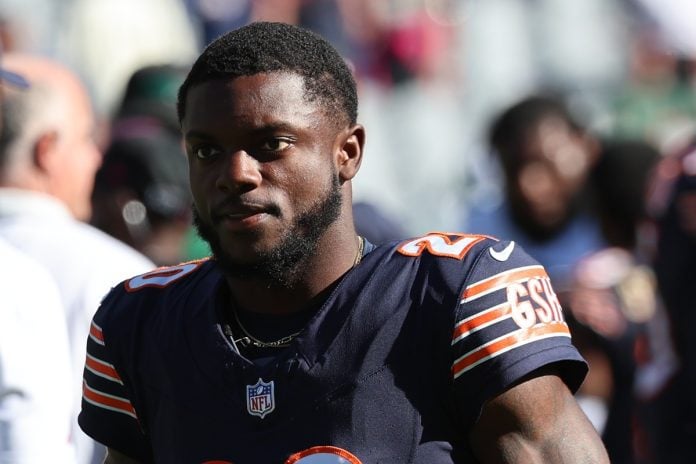
Where Is Clark Phillips? Details On The Absence Of The Bears’ Trade Acquisition

clark phillips
Oct 4, 2026; Chicago, Illinois, USA; Chicago Bears cornerback Clark Phillips III (20) against the New York Jets at Soldier Field. Mandatory Credit: Mike Dinovo-Imagn Images

The Chicago Bears made the controversial decision to trade Gervon Dexter this offseason. They knew his contract was coming up, and it sounds like the coaching staff didn’t want to make him a permanent fixture up front. So they flipped him to the Atlanta Falcons for a 5th round pick and cornerback Clark Phillips. It made some sense. The Bears needed some extra draft capital and also lacked depth in the secondary. Phillips showed a lot of promise at times for the Falcons, but lost standing after the latest coaching change.

One would think he’d have seen the field by now. He’s been with the team long enough to have a decent understanding of the system. However, the Bears are entering week 6, and Phillips has yet to log a single defensive snap. His only work has come on special teams, both on coverage and return units. This is a somewhat odd decision, since Phillips was never known for his special-teams prowess in Atlanta. Why haven’t the Bears allowed him to play his actual position?

Clark Phillips can’t be worse than what the Bears got Sunday.

Jaylon Johnson had one of his worst games in years, furthering what has been a deeply underwhelming season for the former Pro Bowler. Tyrique Stevenson once again left the game with a hamstring issue, and rookie Malik Muhammad struggled as well. One would think the circumstances were favorable for Phillips to get at least a little bit of work. Yet still nothing. It raises a fair question. Why in the world did the Bears trade for him if they had no intention of actually putting him on the field, even in a limited capacity?

The only explanation that makes any sense is that defensive coordinator Dennis Allen doesn’t think he’s ready. Remember, he said that learning this scheme is challenging. It is complex. That is partly why players looked somewhat lost at times last season. Clark Phillips arrived right before the season, without the benefit of training camp to get up to speed. It wouldn’t do him or the Bears any good to just throw him out there. Still, it’s been over a month. He has had enough time to absorb the playbook.

The Bears may have no choice now.

If Stevenson misses Sunday’s game against the Atlanta Falcons, the team must look to their reserves for help. Phillips knows that team better than anyone on the roster. If anybody understands how to play against those wide receivers, it’d be him. After all, he did so for years in every practice. There is still no guarantee that Kyler Gordon will be activated this week. If not, the list of options other than Phillips is far from ideal. Whether Allen thinks he’s ready or not won’t matter. They need healthy bodies.

The Bears can’t know what they have until they give Phillips a shot. Leaving him on the bench isn’t doing their public image any favors. Chicago sold the cornerback as a key part of that Dexter trade. Somebody their pro scouts liked. To do that and then not use him is a really bad look. Dexter’s standout play in Atlanta isn’t helping matters. Either let the cornerback play or just cut him already.

Fans Have A Theory For Why Jaylon Johnson Declined. It’s Insane, But Kind Of Brilliant

jaylon johnson
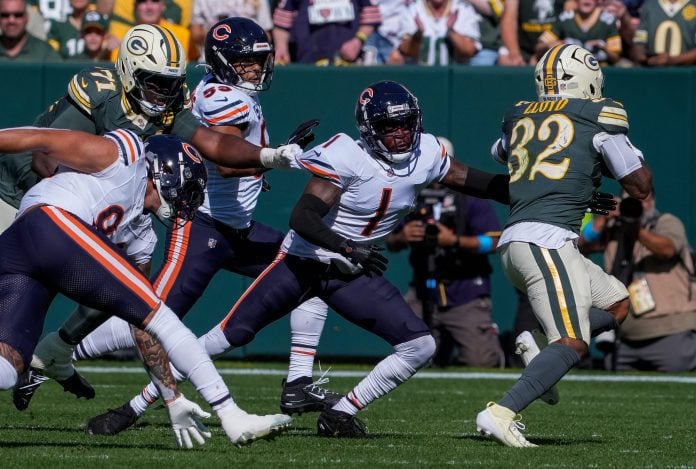
Chicago Bears cornerback Jaylon Johnson (1) pursues Green Bay Packers running back Marshawn Lloyd (32) on Sunday, Oct. 11, 2026, at Lambeau Field in Green Bay, Wisconsin. The Packers won the game, 31-7. Tork Mason/Green Bay Press-Gazette

There is no bigger disappointment for the Chicago Bears this season than cornerback Jaylon Johnson. The team came into 2026 fully expecting him to resume his place as one of the NFL’s best cornerbacks. Instead, what they’ve seen is a player who looks like a shell of his former self. Through 5 games, Johnson has allowed 15 catches on 18 targets for 248 yards. Both are on pace to be the worst of his career by miles. Quarterbacks have a 118.7 passer rating in coverage. Sunday’s loss in Green Bay was one of the ugliest he’s had in a long time.

Despite still only being 27 years old, Johnson has been routinely beaten by opposing wide receivers. His ability to stick to guys has disappeared in a puff of smoke, and the Bears are paying the price for that steep and sudden decline. People are left wondering what in the world happened. Players his age shouldn’t fall off so fast. Bears fans have a theory. It has nothing to do with a change in his training methods or defensive scheme. This is a simple case of Johnson no longer watching porn.

Yes, really.

Jaylon Johnson was better as a sex addict.

That is what everybody is saying. Of course, it sounds crazy, but the timelines are at least interesting. Johnson admitted in the spring of 2024 that he had undergone therapy for sex addiction. He worried that such a lifestyle would be harmful to both himself and his relationship with his children. The treatments worked. He became far more comfortable with who he was as a person. That made it easier for him to sleep at night. No doubt it would also help him become a better football player.

Not based on the numbers. In his first four seasons, Jaylon Johnson allowed 57.5% of passes completed in his direction for a 90.7 passer rating. In the past two and a half years since he received his treatment, those numbers have ballooned to 70.8% and a 99.3 rating, respectively. He went from one of the five best cornerbacks in the league to probably not even the best on his team. Johnson isn’t even a steady presence. He has become an outright liability.

@chsn

Jaylon Johnson got candid about his struggle with sex addiction and his decision to open up about it. #jaylonjohnson #chicagobears #nfl #football

♬ original sound – Chicago Sports Network

There is a more believable theory.

It is that the injuries Johnson suffered last season were far more debilitating than he or anyone else let on. He suffered what was called a tearing of the adductor muscle off the pelvic bone. It is the worst possible type of groin injury. It takes months to heal, and even then, there are significant long-term risks. The big issue with such an injury is that it causes a tendon to lose some elasticity. The muscle can no longer snap back with the same instantaneous force. That lack of “spring” translates to a microscopic delay when a cornerback tries to match a sudden change of direction or put on a burst of speed.

Remember, Johnson only had 4.5 speed when he got to the NFL. Losing even half a step for any reason threatened to make him far less effective. That injury was catastrophic for a cornerback like him, who doesn’t have the speed to spare. The same thing happened to Adam “Pacman” Jones in 2017. He only managed to play 7 more games in his career after that. Morris Claiborne went through it in 2016. He played three more seasons but retired before turning 30.

Everything that has gone wrong for Johnson started with that injury last summer.

The Packers Exposed The Truth About The Bears’ Defense

Oct 11, 2026; Green Bay, Wisconsin, USA; Green Bay Packers wide receiver Matthew Golden (0) against Chicago Bears cornerback Jaylon Johnson (1) during their football game at Lambeau Field. Mandatory Credit: Wm. Glasheen USAToday Network via IMAGN images

Entering Week 5, the Chicago Bears’ defense was allowing just 16.3 points and 282.3 yards per game, ranking sixth in EPA/Play and seventh in Success Rate allowed.

But after surrendering 31 points and 428 yards to the Green Bay Packers on Sunday, those numbers took a significant hit. Chicago is now allowing 19.2 points and 311.4 yards per game, ranking 20th in EPA/Play and 10th in Success Rate allowed.

Was Sunday an aberration, or did the Packers expose what the Bears’ defensive numbers had been hiding all along?

Bears Defense Built on Shaky Ground

Coming off a season in which the Bears exceeded expectations in Ben Johnson’s first year at the helm, there was plenty of reason to believe Chicago was only scratching the surface of its potential.

Caleb Williams‘ stardom was beginning to blossom, Johnson’s offensive system had another year to develop, and an organization that had spent years trying to find its footing suddenly looked like the team to beat in the NFC North.

But amid that excitement was one glaring concern: a defense that hadn’t inspired nearly the same confidence.

Last season, Chicago’s defense was an anomaly. The Bears finished 29th in yards allowed per game (361.8), 27th in Success Rate, 23rd in points allowed (24.4), and 21st in EPA/Play. Yet the Bears somehow led the NFL with 33 takeaways and a staggering +22 turnover differential.

Those turnovers masked a defense that struggled to consistently stop opponents. With takeaways notoriously difficult to sustain at such a high rate, regression seemed inevitable.

Chicago did little to address its lack of defensive star power in the offseason. Its biggest addition was former Seahawks safety Coby Bryant, who signed a three-year, $40 million deal before suffering a knee injury during training camp that required surgery and sidelined him for four to six months.

The Bears also invested their first-round pick in Oregon safety Dillon Thieneman, who has already shown flashes of becoming a difference-maker. However, the issues up front remained largely unaddressed.

Bears Benefited From a Favorable Stretch

There’s a reason Ben Johnson said, “I want to have the highest-scoring offense ever… I want shutouts. I want blowouts.”

It wasn’t just a goal. It was a necessity.

That much was evident in Week 1, when Chicago needed 59 points to overcome a Panthers offense that piled up 478 yards and 37 points.

Yet three weeks of favorable matchups somehow convinced many that Chicago had suddenly developed into one of the NFL’s better defenses.

From Weeks 2-4, Chicago faced Minnesota, Philadelphia, and the New York Jets, allowing just 9.3 points and 217 yards per game.

Phenomenal numbers? Absolutely. But taking them at face value without context is a mistake. And that’s what happened among portions of the fan base and national media heading into Sunday’s matchup at Lambeau Field.

In Week 2, the Bears limited the Vikings to nine points and 246 yards, yet still lost. Dennis Allen’s defense faced below-average backup quarterback Carson Wentz in miserable weather conditions that made moving the football a challenge. Even a college defense might have held its own in those conditions.

Next came one of the NFL’s most underachieving offenses over the past two seasons, led by Nick Sirianni, who is currently favored to be the first head coach fired this season. The Eagles mustered just seven points and 248 total yards against Chicago, and currently rank dead last in offensive Success Rate and 29th in EPA/Play.

Then the Bears were gifted an even more favorable matchup against perennial underachiever Geno Smith and the lowly Jets, who mustered just 12 points and 157 total yards.

If that performance was enough to convince you Chicago’s defensive problems had suddenly disappeared, it might be time to reevaluate how you’re watching NFL games.

The Bears didn’t overhaul their defensive personnel or suddenly discover some revolutionary scheme. They simply benefited from a favorable three-game stretch and made the most of it.

Sunday’s loss to the Packers was a harsh reminder of that reality. Against two capable offenses, Carolina and Green Bay, the Bears surrendered a combined 68 points and 906 yards.

And the road ahead offers little relief. According to nfeloapp.com, Chicago faces the NFL’s seventh-toughest remaining schedule.

That’s not to say the Bears can’t improve, whether through internal development or reinforcements ahead of the trade deadline. But expecting this group to suddenly transform into an elite unit was always wishful thinking.

The Packers didn’t expose a defense that had been playing great football. They exposed one whose weaknesses had been masked by favorable circumstances. And with a much tougher schedule looming, Chicago can no longer count on its opponents to disguise its deficiencies.

Austin Booker Just Called Out Dennis Allen And Why He Was Right To Do So

austin booker
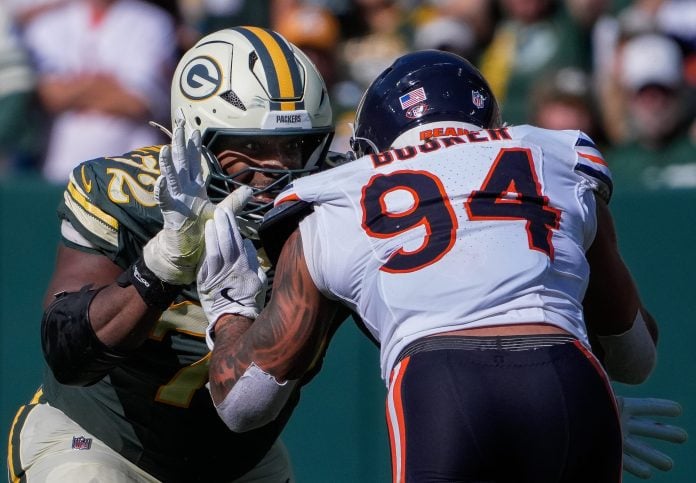
Green Bay Packers guard Laken Tomlinson (72) blocks Chicago Bears defensive end Austin Booker (94) on Sunday, Oct. 11, 2026, at Lambeau Field in Green Bay, Wisconsin. The Packers won the game, 31-7. Tork Mason/Green Bay Press-Gazette

The Chicago Bears‘ defense has been a conundrum so far this season. They’ve had some great performances, like against Philadelphia and New York, mixed with some ugly clunkers like Carolina and Green Bay. Nobody is sure what to make of them. That is likely because they aren’t getting great results from every position group on a consistent basis. While the defensive line has been better than expected, the secondary has not. You saw that on Sunday at Lambeau Field. Is part of the problem with Dennis Allen’s use of his personnel? Austin Booker certainly thinks so.

Anybody who has followed the former 5th round pick since his arrival in 2024 knows he is a self-confident young man. Booker has always carried himself like a player who knows he has the talent and work ethic to be good at this level. Unfortunately, as he told Herb Howard of The Score, the coaches don’t always give him consistent playing time to prove it. He wasn’t happy after the first three games, feeling he wasn’t being used enough. With all due respect to his teammates, that is unacceptable.

Austin Booker then sent a message on Sunday.

While the defense as a whole was terrible for much of the afternoon, the defensive end produced his best all-around performance since joining the team. Booker was everywhere. Not only did he finish with 2 sacks of Jordan Love, but he also added 4 run stops for no gain or a loss. Green Bay had no answers for him. It isn’t difficult to determine why it turned out this way. Booker logged a season-high 44 snaps on defense. Yet somehow that is still far lower than the 55-65 he was getting last year.

Part of the problem is the return of Dayo Odeyingbo. Allen has wanted to get the defensive end on the field against the run, which is his strength. Austin Booker would be more of a designated pass rusher. However, that might be a mistake. Booker wasn’t lying. When his snaps go up, the production has gone up. Last season, he logged 5 games with 60 or more snaps. In those 5 games, he had 20 pressures and 2 sacks. For his career, Booker has played 12 games in which he has had at least 40 snaps. He has 38 pressures and 7 sacks in those games.

The coaches need to maintain the current workload.

At the very least, they have to keep Booker’s snap count above 40. That seems to be the dividing line for his productivity. Anything lower, and it’s been difficult to generate impact plays. With all due respect to Grady Jarrett and Neville Gallimore, the obvious move seems to be keeping Odeyingbo inside and letting Booker be the primary guy on the edge opposite Montez Sweat. That configuration has done wonders for them this season whenever Allen has deployed it. Why not make it a full-time thing?

Booker may get his wish either way. Odeyingbo had to leave Sunday’s game with a quad injury. There is a possibility he could miss some time. That would mean Booker goes back to getting 60+ snaps per game. If he maintains his current pace, he could become the first drafted Bears player in 20 years to crack double-digit sacks. The timing would be incredibly fortuitous with his rookie contract winding down.

White Sox Must Decide on These Arbitration Eligible Players

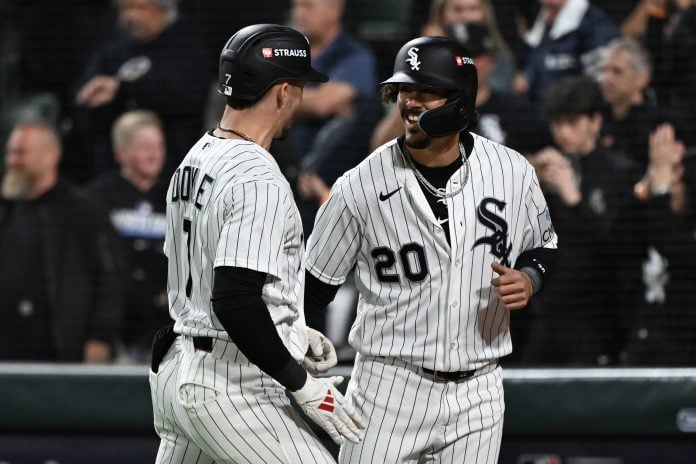
Oct 8, 2026; Chicago, Illinois, USA; Chicago White Sox third baseman Miguel Vargas (20) celebrates with center fielder Brenton Doyle (7) during the fifth inning against the Cleveland Guardians in game four of the ALDS for the 2026 MLB Playoffs at Rate Field. Mandatory Credit: Matt Marton-Imagn Images

With the Cinderella story that was the 2026 White Sox coming to an end in Cleveland this past weekend, the focus has shifted to the offseason. One of the first items on Chris Getz and the front office’s to-do list is determining which arbitration-eligible players will return for the 2027 season. According to MLB Trade Rumors, the team has six such players they must make a decision on.

Joey Bart

Projected cost: $2.9 million

Acquired from the Braves at the trade deadline, Bart was brought in as a veteran placeholder behind the plate while Kyle Teel recovered from a high ankle sprain. Unfortunately for Bart, his time with the 2026 White Sox essentially ended before it started. He lasted all of three games and nine plate appearances before a hit by pitch from Erik Miller of the Red Sox fractured the fifth metacarpal in his left hand, ending his season.

The second overall pick in 2018, Bart was once a highly regarded prospect but has never consistently put it together at the MLB level. He will turn 30 in December and is now your typical backup catcher. He is serviceable but doesn’t do any one thing particularly well and offers little upside moving forward.

Projected to earn $2.9 million via arbitration, I believe the White Sox will let Bart go and non-tender him. I anticipate Edgar Quero getting another crack at the backup catcher job even with his struggles this year. That said, the organization saw enough in Bart to acquire him at the deadline, so a reunion isn’t entirely out of the question. They could attempt to bring him back on a less expensive contract and let him compete for the backup spot during spring training.

Decision: Non-Tender

Huascar Brazobán

Projected cost: $1.6 million

Another trade deadline acquisition, Brazobán disappointed after being brought in from the Mets. He missed nearly a month due to what was described as a left lat strain and failed to perform as the team had hoped when he was on the mound. The right-hander pitched only 14.1 regular season innings with the White Sox and was left off the ALDS roster entirely because of his ineffectiveness.

Brazobán is interesting in that he is already 36 years old, yet still has up to three more years of team control remaining because he didn’t make his MLB debut until he was 32. And when he’s at his best, his sinker-changeup combination has proven effective at the MLB level.

With a projected price tag of just $1.6 million, I believe the White Sox will tender him a contract for 2027 in hopes of getting him back on track. It is a minimal investment for a reliever with a respectable MLB track record. Even if he ends up settling into a middle relief role, he would provide useful bullpen depth at an affordable price point.

Decision: Tender

Brenton Doyle

Projected cost: $3.6 million

The last trade deadline acquisition of this group, Doyle showed flashes of being a productive player after being acquired from the Rockies. He hit five home runs in 42 games with the White Sox and his .720 OPS was only 2% worse than the league average hitter while wearing a White Sox uniform. He also provides exceptional value in other areas of the game, including being the 95th percentile in arm strength and the 93rd percentile in sprint speed per Baseball Savant.

Projected to earn $3.6 million via arbitration, I think the team will keep him around. At the very minimum, he could serve as a platoon option for Tristan Peters in center field while also offering value as a defensive replacement and pinch runner. The combination of speed, defense, and occasional pop warrants bringing him back.

Decision: Tender

Miguel Vargas

Projected cost: $5.4 million

Vargas is the easiest decision of this whole group. The 26-year-old blossomed into an All-Star with the 2026 White Sox and could even garner recognition on MVP ballots. He became the first player in franchise history to record 30 home runs, 30 doubles, 100 runs scored, and 20 stolen bases in a single season, a testament to how great of a year he had.

Now one of the faces of the franchise, it is a foregone conclusion that the organization will tender him a contract. The more interesting question is whether they approach him with a long-term extension offer. He still has three years of control remaining, but an extension proposal could make sense if they want him to be at the center of the team for years to come.

Decision: Tender

Chris Murphy

Projected cost: $900,000

Acquired from the Red Sox in November of last year, Murphy made the Opening Day roster but bounced between the Triple-A and MLB levels in 2026. The 28-year-old lefty put up respectable numbers in Triple-A but his 4.81 ERA and 1.43 WHIP in 33 appearances with the big league club left something to be desired. Several other left-handed relievers passed him on the depth chart throughout the season and he was not a factor down the stretch or in the playoffs.

Murphy is projected to earn only $900,000 in arbitration, but I still think the White Sox will non-tender him. I don’t believe he showed enough to justify keeping him around. Moving on would also open a spot on the 40-man roster, giving the front office additional flexibility as it looks to improve the team this offseason.

Decision: Non-Tender

Jordan Leasure

Projected Cost: $1 million

The longest-tenured White Sox player in the group, Leasure has been with the team for parts of three seasons since being acquired from the Dodgers in the Lance Lynn trade in July 2023. The 28-year-old right-hander has had his ups and downs in Chicago, and his 2026 season was more bad than good.

He made only 18 appearances this season before getting shut down with a right flexor strain, pitching to a 6.27 ERA over that span. He underwent surgery at the end of August to repair a UCL tear in his elbow and will miss the entire 2027 season as a result, per Scott Merkin of MLB.com.

Leasure is projected to earn only $1 million via arbitration, but I doubt the White Sox will tender him a contract if he is unable to pitch. It’s an unfortunate situation for Leasure individually, but perhaps the team will extend him a minor league contract so he can rehab at the team facilities.

Decision: Non-Tender

Summary

For the first time in his tenure as a General Manager, Chris Getz will have the pressure of making moves for a team that plans to compete, rather than rebuild. Making decisions about their arbitration-eligible players is one of the first steps in the process and will help determine how they approach the rest of the offseason.

Final decisions:

Tender: Huascar Brazobán, Miguel Vargas, Brenton Doyle

Non-Tender: Joey Bart, Chris Murphy, Jordan Leasure

Chicago Cubs Brace for Arbitration Avalanche Heading Into 2027

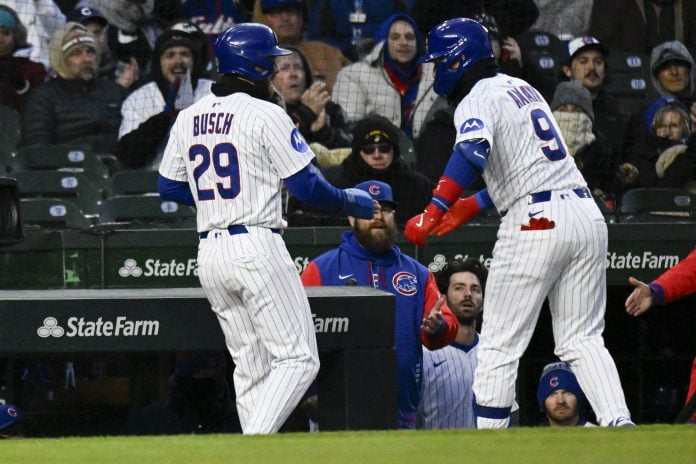
Apr 7, 2025; Chicago, Illinois, USA; Chicago Cubs first baseman Michael Busch (29) high fives catcher Miguel Amaya (9) after he scores on Amaya’s sacrifice fly ball during the second inning against the Texas Rangers at Wrigley Field. Mandatory Credit: Matt Marton-Imagn Images

The Chicago Cubs have a laundry list of players who will be free agents after the 2026 season, and while deciding whether to pursue some of them will be important, the front office will have its plate full, as several key players are also arbitration-eligible heading into 2027.

There are 12 Cubs from the 2026 roster who will be arbitration-eligible, and although not every player will return, most will, which will be costly for the Cubs as they receive pay raises. MLB Trade Rumors released its annual arbitration projections, so let’s go over them and pinpoint the easy choices, the few fringe guys, and the handful of players who will not return next season.

2027 Cubs Arbitration Projections

(service time: projected salary)

  • Justin Steele (5.143): $6.8 million
  • Edward Cabrera (4.147): $4.8 million
  • Braxton Garrett (4.006): $1.6 million
  • Javier Assad (3.167): $2.3 million (Cubs hold a $3.3 million option)
  • Tyler Austin (3.151): $1.3 million
  • Miguel Amaya (3.130): $1.7 million
  • Gabriel Arias (3.124): $1.3 million
  • Ryan Rolison (3.109): $1.1 million
  • Ethan Roberts (3.080): $800,000
  • Michael Busch (3.045): $5.4 million
  • Ben Brown (2.169): $1.3 million
  • Daniel Palencia (2.154): $1.2 million

One wrinkle among the 12 players listed above is right-handed pitcher Javier Assad. He’ll 100% return in 2027, but before that becomes official, we’ll see news that the Cubs will decline his $3.3 million option for next year. As the projection shows, Assad’s estimated 2027 salary will be discounted compared to the mutual option he and the Cubs previously agreed to.

The rest of the arb-eligible pitchers are easy decisions, except for one, and it has nothing to do with cost.

Ethan Roberts was drafted in 2018, made his first Opening Day roster in 2022, and, although there have been glimpses of success, several injuries have derailed his momentum. Roberts has a career 4.70 ERA and a 19.0 K% rate in 63 games with the Cubs. This may be the time when Roberts could benefit from a change of scenery, while the Cubs make room on the 40-man roster for a better alternative.

Justin Steele, Edward Cabrera, Ben Brown, and, to some extent, Braxton Garrett could all be key contributors in 2027.

Steele will return after a near two-year layoff, but the lefty at least pitched in Triple-A to end the 2026 season. Unlike this year, fans won’t be crossing their fingers and hoping Steele can come back. He’s healthy, should follow a normal offseason schedule, and will be ready to go when spring training begins next year.

Cabrera. Woof. He and the Cubs coaching staff have a lot of work to do, but maybe it’s as simple as figuring out how to deal with his recurring blister issue. Yet, that alone may not actually be simple. The Cubs traded a top prospect for him, so they’re not going to give up on him after a very disappointing year.

One of the biggest letdowns in 2026 was the Brown neck injury. That’s the second time in three years Brown has dealt with the same issue, and there’s no guarantee it won’t happen again. Maybe they’ll cut his workload, but he was awesome for three months and finally started pitching like the dominant arm the organization thought they had.

Garrett finished the 2026 season strong at Triple-A and also left a lasting impression by throwing five innings of one-run ball against the Boston Red Sox in the regular-season finale. The lefty could compete for the fifth starter spot in 2027, and if he falls short, Garrett could still be a viable bullpen option.

Michael Busch and Miguel Amaya left much to be desired in their underwhelming 2026 performances, but they’ll definitely be back. Busch finished with 20 home runs and a slugging % below .400. His 112 wRC+ ranked 18th among all first basemen in 2026. Very pedestrian numbers, but Busch provides good defense and a high floor at first. Would not be surprised to see a big bounce-back year from him.

As for Amaya, he’s been a decent backup, but he hasn’t shown the ability to be an All-Star-caliber catcher. He’s fine, and for a backup catcher, that’s better than most.

Daniel Palencia remains a high-upside bullpen arm, and his projected cost is worth his potential. We’ve seen how good he can be in 2025, but Palencia took a step back in 2026. Injury concerns will remain, but the Cubs will obviously retain the right-handed pitcher.

Rolison was fantastic in 2026 and eventually became one of the team’s most trusted relievers, so he’ll get a well-deserved reward for his efforts heading into 2027.

Tyler Austin? See ya. Gabriel Arias? He’s somewhat intriguing. The infielder is still only 26-years-old and plays solid defense on the diamond. However, Arias doesn’t project to offer much offensive upside moving forward; at about a $1.3 million salary, the Cubs may bring him back, considering they wouldn’t be breaking the bank for the last guy on the bench.

We’re looking at about $26 million in added payroll for the arb-eligible players we expect to return in 2027.

How Bad Was Tyson Bagent Vs. The Packers? He Should’ve Had 300+ Yards

tyson bagent
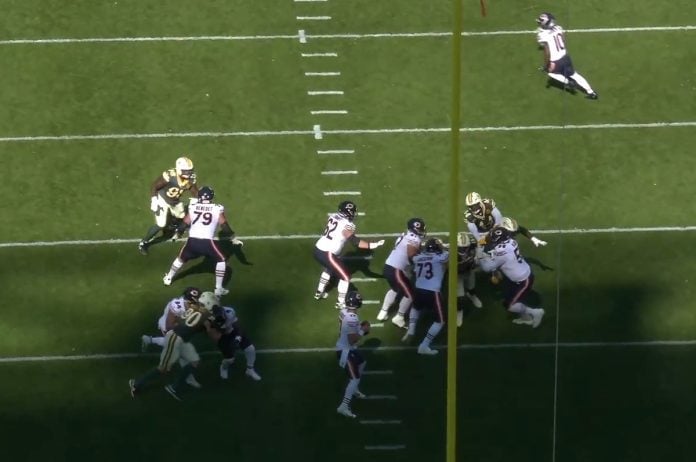
Bears quarterback Tyson Bagent misses an open Luther Burden before taking a sack in the first half.

Sunday must’ve brought back some nightmarish visions for Chicago Bears fans. They’re all too familiar watching overwhelmed quarterbacks going against the Green Bay Packers at Lambeau Field. It’s been their experience for most of the past 30 years. It was hoped that Tyson Bagent was mature enough to handle that pressure. He was not. The fourth-year quarterback delivered the worst performance of his career, going 12-for-21 for 87 yards and 2 interceptions.

Was it really that bad, though? There are cases in the past where a quarterback never really had a chance because the situation around him was so bad. Maybe his teammates let him down. So I dug into the game tape for some answers. Let’s put it this way.

Had Bagent played even a C+ kind of game on Sunday, he likely would’ve had over 300 yards passing. That is how many open opportunities he missed. Here is a rundown of some of the worst.

Tyson Bagent play #1 – The first INT

One thing you’ll see a lot throughout the film is Bagent predetermining where he goes with the ball. It’s pretty evident from this play that he was going to Luther Burden once he’d looked off the safety. He didn’t bother to examine just how crowded the coverage was. Had he done the responsible thing and pulled the ball in, he would have had Colston Loveland wide open with over 10 yards of green grass in front of him. It is a bad read and a bad decision.

Play #2

Another persistent feature of this game was how Tyson Bagent kept wasting good protection with bad throws. Here, he gets the snap, and the offensive line gives him a clean pocket. Ultimately, he throws too far ahead of Cole Kmet in the flat, who’s wide open. That alone is bad. Yet if he’d trusted the protection as he should have, he would have seen Loveland past the linebacker at the 40-yard line and pretty much all by himself. If Bagent puts the ball on him, the tight end has Rome Odunze already in front of the safety to block for him.

Play #3

This is another case of Bagent trying to force the ball to a predetermined target. It’s clear from his eyes that he is looking for Odunze all the way. He wisely climbs the pocket to buy time. There is nobody in his face. He should be able to see that Green Bay has that area of the field bracketed between four defenders. Bagent doesn’t have the arm for a throw like that. Meanwhile, Burden is all alone at the 15-yard line. It should be an easy decision. Instead, the quarterback goes for the home run. It isn’t a very good throw, and the Packers get the pick.

Play #4

If it’s starting to sound overly repetitive, that’s because it is. Tyson Bagent is locked onto Loveland, who is the primary read on the play. The quarterback can’t recognize how tight the coverage is. Only a perfect throw would’ve worked. What hurts even more is that Bagent didn’t have to look far for a better option. Rookie receiver Zavion Thomas was in the same area. He was wide open running a post route. If he gets the ball, there is no way that Packers safety is catching him before the end zone.

Play #5 – Bagent’s rock bottom

Probably the most egregious play Bagent made in this game. The situation was crucial. Chicago had just scored to make it 14-7 and forced a Green Bay punt. A quick 6-yard pass made it 2nd and 4 at the Bears’ own 16-yard line. With a minute to go, they still have time to put some points on the board before the half. Instead, Bagent takes a brutal 6-yard sack. Rewatching the tape shows by far his worst read of the day.

Green Bay brings a blitz from the right side. Wide receiver Luther Burden runs his route directly into the open space they leave behind. He has nobody within 10 yards of him. Bagent is literally staring right at him. The pocket isn’t perfect, but he has enough time. He doesn’t pull the trigger. A late blitz from Brandon Cisse leads to a sack, killing the drive and pretty much leading to the second-half collapse.

Normally, in games like this, there are reasons why a quarterback struggles. The protection is bad. Receivers aren’t getting open. Maybe the elements play a part. That isn’t the case here. The weather was perfect. Protection, while not pristine, was more than adequate. Worst of all, receivers were open quite often. Bagent just didn’t take advantage. That loss is mostly on him, at least from the offense’s perspective.

Green Bay Packers Blast Bears For Talking Too Much, Proceed To Do The Same Thing

green bay packers
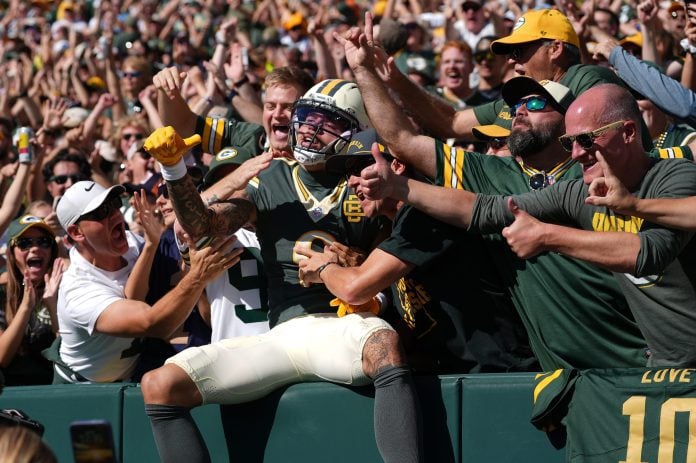
Week 5: Green Bay Packers wide receiver Christian Watson does a Lambeau Leap after scoring a touchdown against the Chicago Bears at Lambeau Field. The Packers defeated the Bears, 31-7.

The Chicago Bears had good reasons to feel confident going into Sunday. They knew they could beat the Green Bay Packers, having done so twice in 2025. Unfortunately, such things are impossible when you turn the ball over 5 times. What was a close game going into the 3rd quarter spiraled out of control. The Packers raced ahead to a decisive 31-7 win, getting a measure of revenge for their humiliating playoff loss. However, it seems that they might have created some dangerous overconfidence on their part.

Packers players have said several times, dating back to last season, that the Bears talk too much, both players and coaches. Linebacker Zaire Franklin decided to fire back, calling out wide receiver Luther Burden for quitting.

He wasn’t alone. Wide receiver Christian Watson took his turn when he dismissed the Bears’ defense as a non-factor. They are weak and easy to exploit. No surprise he feels that way after putting up 142 yards and 2 touchdowns, and yet voicing it aloud to the media? Clearly, he thinks there won’t be consequences.

The Green Bay Packers no doubt think they’ve reasserted control.

They certainly played one of their best games of the season. That said, context feels important here. While they did put up 31 points, they did so courtesy of 5 turnovers and 6 plays of 30 yards or more. That doesn’t feel like something they’re likely to duplicate in the next meeting on Christmas Day. They only averaged 2.7 yards per carry on the ground. This was not one of those games where one team was clearly superior to the other. Most of what the Packers got were gifts from the Bears’ many mistakes.

Then you must factor in the names who were absent. Playing Tyson Bagent instead of Caleb Williams made life so much easier for them. That doesn’t include the absences of key names like Ozzy Trapilo, Coby Bryant, Kyle Monangai, and Kyler Gordon. Sure, the Green Bay Packers didn’t have Micah Parsons and Josh Jacobs, but only one of those absences is due to injuries. The Bears also lost three more starters during the game. Once key guys start dropping, a game almost always gets away from you.

Don’t expect this result to change anything.

The Bears played poorly and lost. The Packers played well and won. It’s pretty much that simple. We’ll see if the results remain the same in the rematch. By then, most of the key players the Bears were missing should be back. Most importantly, the quarterback who is 3-2 against Green Bay. If the Packers win that one as well? They’re free to talk all they want. Doing all that yapping now feels a little over the top. All it’s doing is serving the Bears with plenty of motivational material.

Green Bay doesn’t have long to celebrate. Their schedule isn’t getting easier with Dallas, Detroit, Carolina, New England, and Minnesota all coming up before the bye week. It’s the same for the Bears with Atlanta, Seattle, New England, and Tampa Bay. Both teams will want that second matchup in December to mean something. The Packers will look pretty foolish if they walk into Soldier Field out of the playoff picture.

Matthew Golden Tried To Get Cairo Santos In Trouble, But Gave Bears Ammo For Rematch Instead

matthew golden
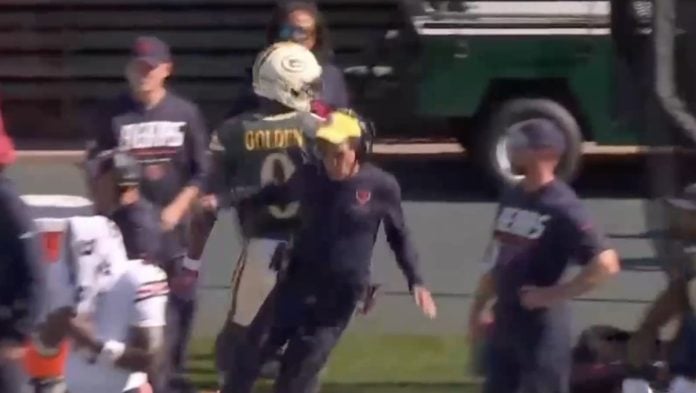
Packers wide receiver Matthew Golden throws a shoulder at a Bears assistant coach, knocking him down.

The Chicago Bears had a rough afternoon in Green Bay. Much of it came from their inability to play consistent coverage on defense. Packers wide receivers Christian Watson and Matthew Golden both had 120+ yards on the day. Their speed was more than the Bears’ cornerbacks could handle. No doubt Green Bay felt more than eager to talk trash to Chicago after months of stewing over their playoff loss in January. However, Golden may have tried to take things a little too far.

He called out Bears kicker Cairo Santos for attempting to trip him on the sideline during the game. It is clearly insinuated that Santos was making a dirty move.

Well, here’s the thing. Video evidence always tells the real story. What Golden conveniently failed to mention is that while running through the Bears’ sideline area after the catch, he seemed to lean his shoulder into an assistant coach, knocking him to the ground. Only then does Santos come into the frame with the attempted trip. It’s pretty clear the move was in retaliation for what Golden had just done.

Matthew Golden accomplished one thing with that statement.

He gave the Bears plenty of ammunition to stew over for the rematch later this year. The wide receiver could’ve kept his mouth shut. His team had just delivered a decisive 31-7 win. His play on the field did all the talking. Unfortunately, he couldn’t resist trying to stir the pot a little further. Try to make the Bears look like the dirty team that everybody should hate. He should’ve known better. Cameras were everywhere. Somebody was bound to find out what exactly happened. It isn’t a great look for him.

One thing you can say about the Bears is they don’t forget slights. Not under this head coach. You can bet Ben Johnson will have that footage stored for the second game at Soldier Field on Christmas Day. There will be cutups of everything Matthew Golden and his teammates said. As talented as the Packers are, they should expect a very different team waiting for them. Injuries are never an excuse for losses like this. Green Bay won handily and earned it. Still, the list of players the Bears were missing can’t be ignored.

  • Caleb Williams
  • Kyle Monangai
  • Ozzy Trapilo
  • Coby Bryant
  • Kyler Gordon

The Bears didn’t need extra incentive.

Golden gave it to them anyway. Santos has never been a player at any time in his career that you would call dirty. It was so out of character to hear the Packers receiver insinuate as much. Now we know why. He was trying to cover for his own blunder. No doubt Green Bay will be feeling good about itself going into December. They’ll have Micah Parsons back and everything. The thing is, Chicago should be much healthier as well, including the one guy the Packers managed to avoid who’s given them nightmares.

They can enjoy the win. They earned it. Played very well. No shade on that. Just be careful about how far you try to push the narrative. It feels like Golden got a little greedy by hinting at a controversy that wasn’t one. How the Bears use that to their advantage two months from now will be telling.

Why Rome Odunze’s Game Against Green Bay Killed Any Future Extension Hopes

rome odunze
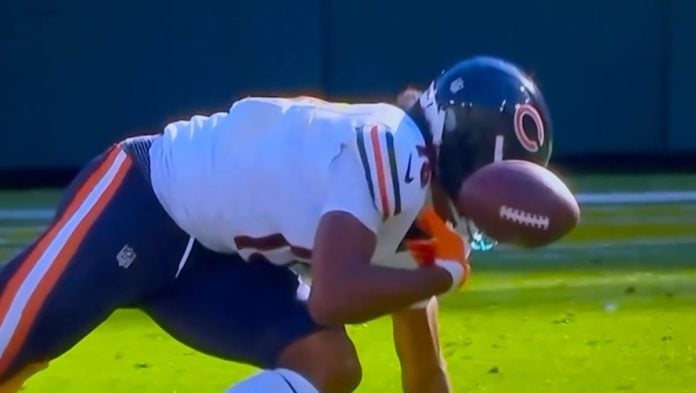
Bears wide receiver Rome Odunze fumbles the ball, one of five turnovers by the team in the game.

The Chicago Bears drafted Rome Odunze to become their eventual #1 wide receiver. That is what you expect from a top 10 pick. While he hasn’t been what you can classify as bad, the former 9th overall selection has been a disappointment. Last season, it was being derailed by a foot injury. This season? Let’s just say he has never really gotten over the consistency issues that plagued him as a rookie. If ever there was a day that Chicago needed their playmakers to make plays, it was against the Green Bay Packers at Lambeau Field.

Instead, all Odunze did was remind everybody how underwhelming he remains. This is not a front-line wide receiver. Those guys don’t make the types of brutal mistakes that Odunze did on Sunday. Not only did he drop yet another touchdown pass, his third since January’s playoff loss to the Rams, but he also delivered a brutal fumble. On top of everything else, he caught 3 passes for 40 yards. That was despite being targeted 9 times. This was by far the biggest issue with him over the past two years. Even when you try funneling the ball to him, he doesn’t catch it nearly often enough.

Rome Odunze is what he is at this point.

They say you always know who a player will be in the NFL by their third season. If they haven’t evolved into a star by then, you’re not getting one. This is who the Bears have. Odunze is a big receiver who doesn’t play that way, has poor hands, and struggles with constant concentration issues. Stop and ask this question. Knowing head coach Ben Johnson, do you think he would consider extending a player like that? The answer is no. He is not the type of person who rewards mediocrity.

It’s unfortunate. Up until now, Bears general manager Ryan Poles has had a pretty strong track record with his 1st round picks. Darnell Wright is one of the best right tackles in football. Caleb Williams was stellar last season. Colston Loveland was unblockable down the stretch. Dillon Thieneman leads the team in tackles as a rookie safety. So many positives. Rome Odunze looks like he’s the worst of those picks, which is shocking to many after the awesome career he had for Washington in college.

It further proves that drafting is not an exact science.

Lots of people believed Odunze was destined for success. The 2024 wide receiver class was called one of the best in a decade. Instead, it’s proving to be the most overhyped. Marvin Harrison Jr. was just traded by Arizona. Brian Thomas Jr. was relegated to backup snaps in Jacksonville. Malik Nabers has recurring health problems. No stars to be found. Odunze is not a bad player. He has performed at a high enough level where you can see him as a solid #2 option in some offenses. The problem is that wasn’t what the Bears drafted him to be.

They wanted a playmaker. Odunze is not that. You don’t blunder the number of opportunities he’s had and call yourself that. In truth, he’s another Mike Williams. The former 1st round pick joined the Chargers with tons of promise. While he did have a couple of 1,000-yard seasons, he was also plagued by drops and consistency issues. Ultimately, while he stayed with L.A. for 7 years, he never lived up to his potential. Odunze is on that same trajectory.